Theatre of Magic — Coin Door Issues, no flashers
- Thomas Shipman
- Repair
- 26 Apr, 2026
The Call
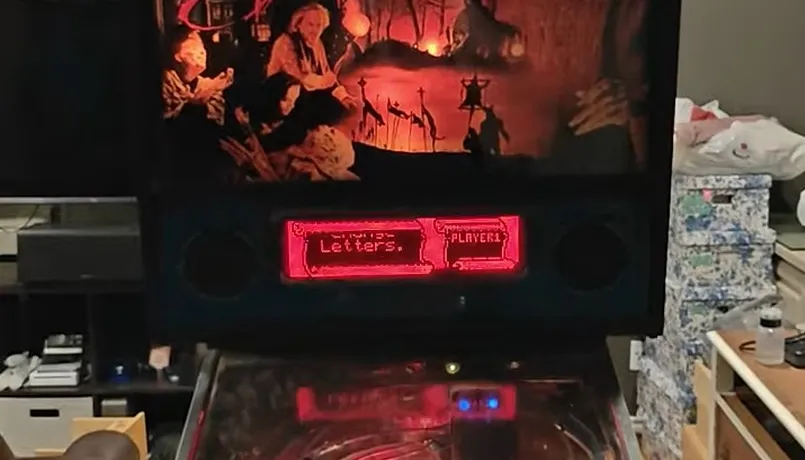
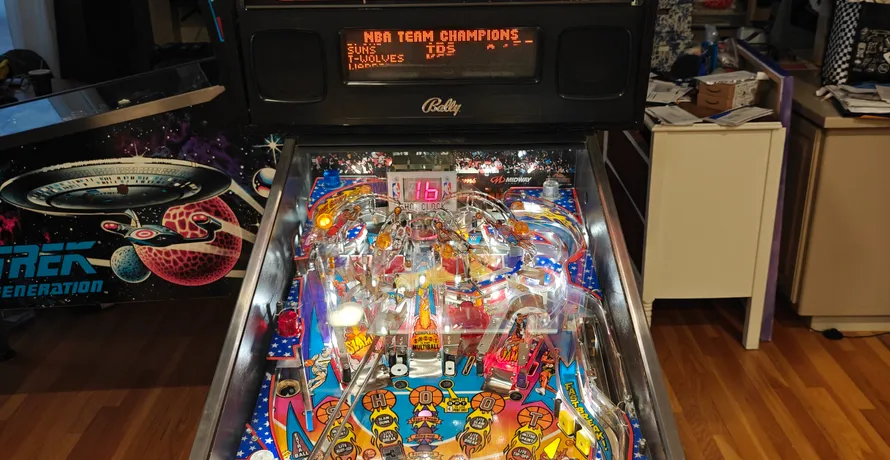
Got a call from a recently sold ToM that had started behaving strangely after delivery; the game would boot fine, play fine, but during gameplay the game would trigger the memory protect switch and cause the “COIN DOOR OPEN” warning continuously, making gameplay nearly impossible.
Diagnosis
On WPC games, the coin door interlock switch does double duty. It enables the service buttons, but in later games with the voltage interlock switch, the game will also flash a warning stating the 20 and 50v rails are disabled so the operator is aware.
Usually this kind of issue is a physical issue with the switch itself, but in this case no matter what I did to the switch physically seemed to remedy the issue. Jumping out the switch on the coin door interface board also revealed nothing, and the switch would sometimes register for half a second before going back open.
I also noticed on initial inspection that one of the flasher fuses was open, not exploded but barely melted. Usually this is caused by a failed short transistor and has a coil or flasher string that just barely draws enough current to melt the fuse wire.
The Fixes
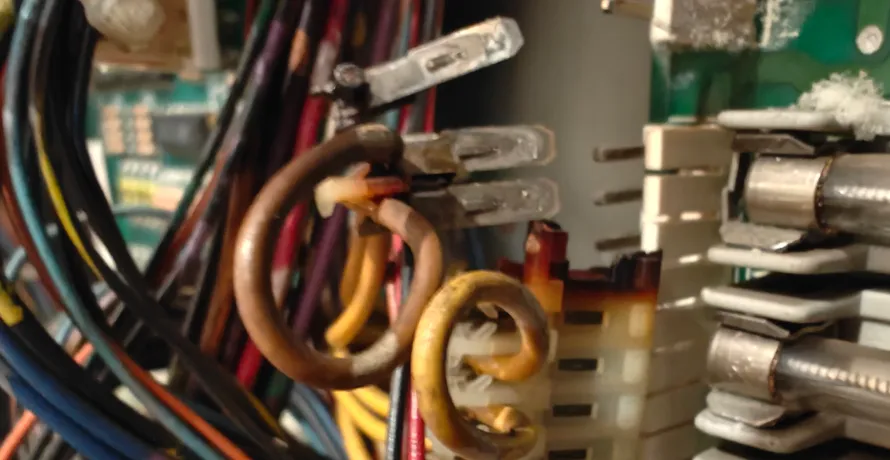
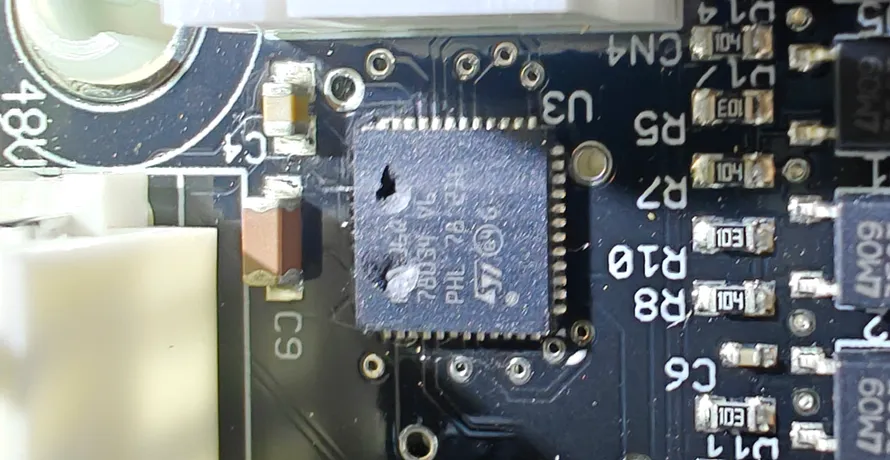
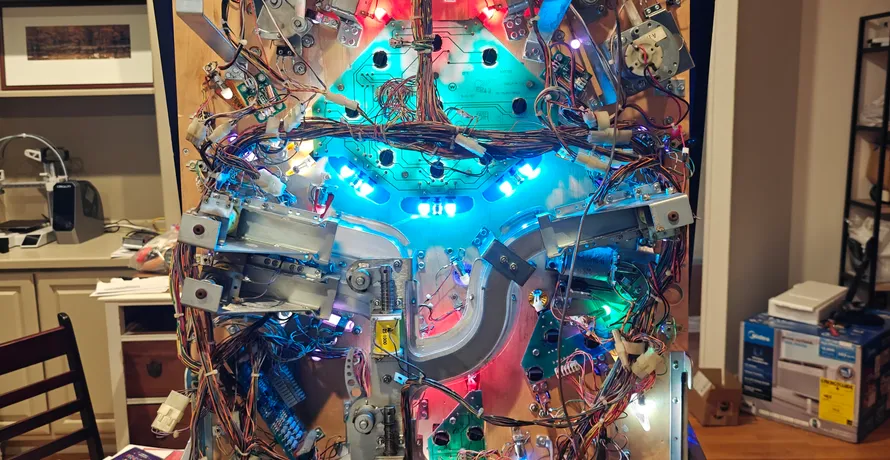
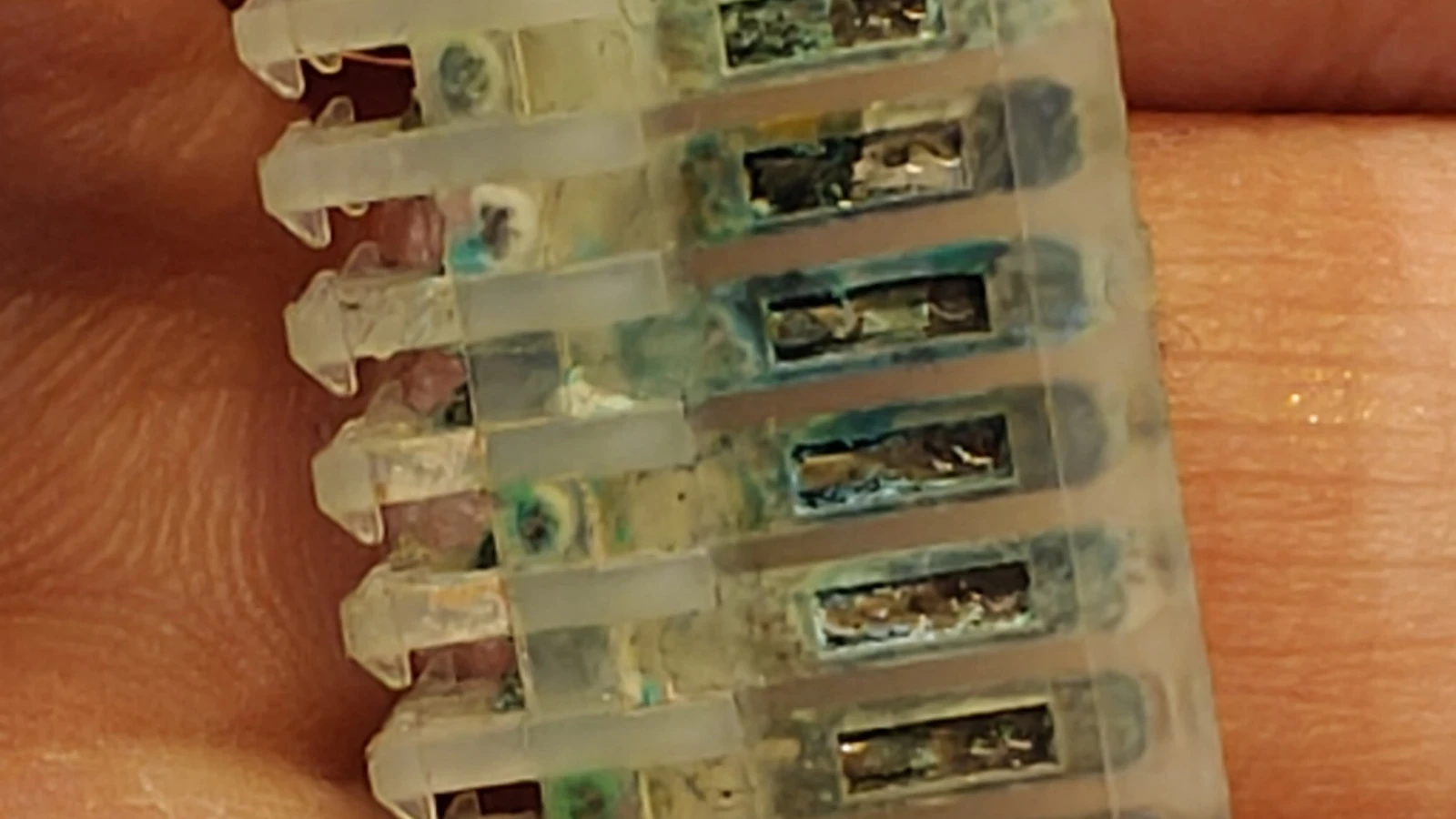
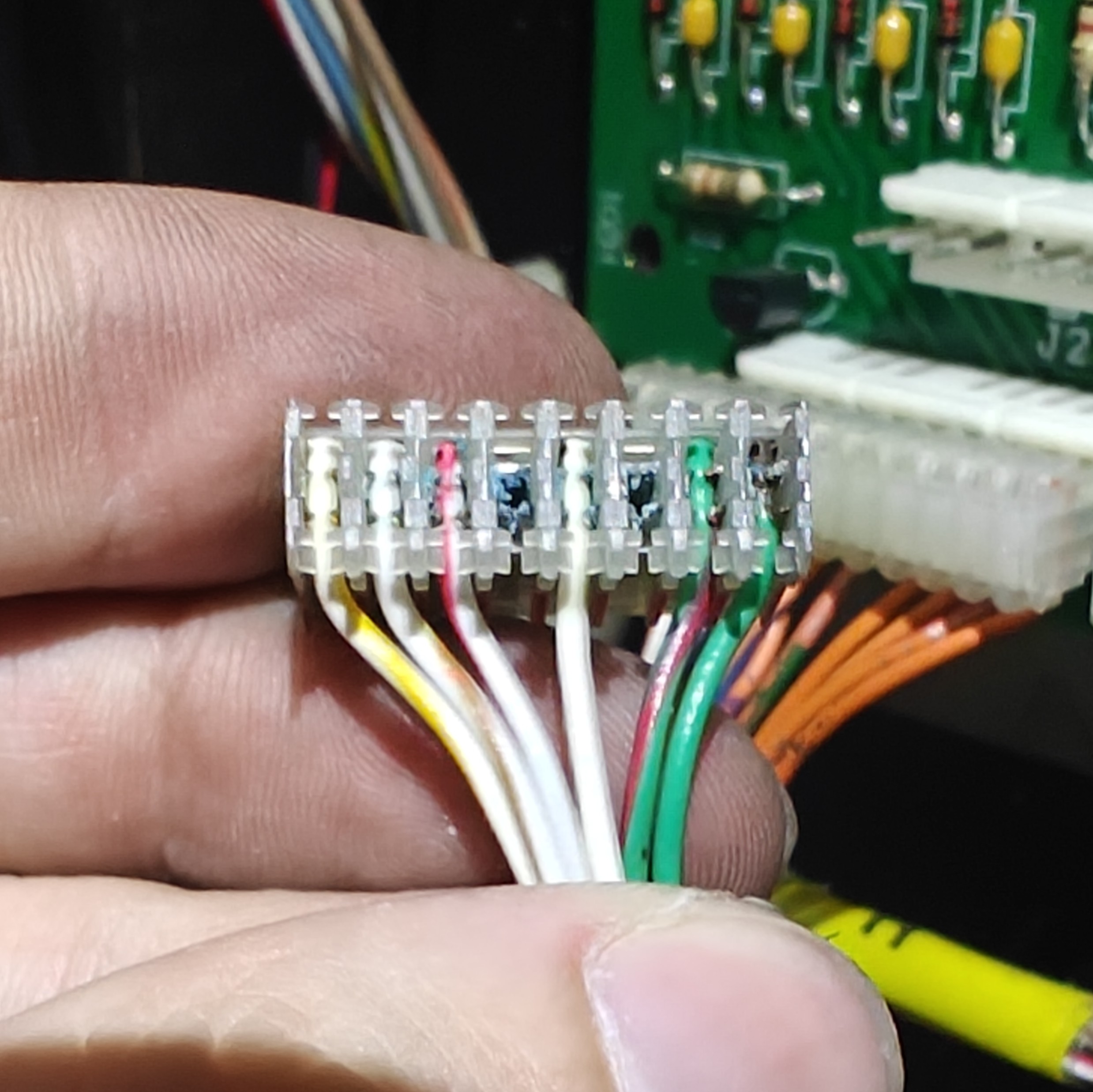
I followed the coin door wiring back to the MPU, and saw that both MPU and driver board were Rottendog, giving me a small clue as to this game’s prior issues. The wiring tested good from switch to backprobing the connector, but upon further inspection you could see major alkaline corrosion damage throughout J212, which is used for the various switches in the front of the cabinet. The old MPU had leaked so bad that the corrosion went all the way down to the switch matrix connectors, thankfully only J212 had damage. After repinning and replacing with Molex, all was back to normal.
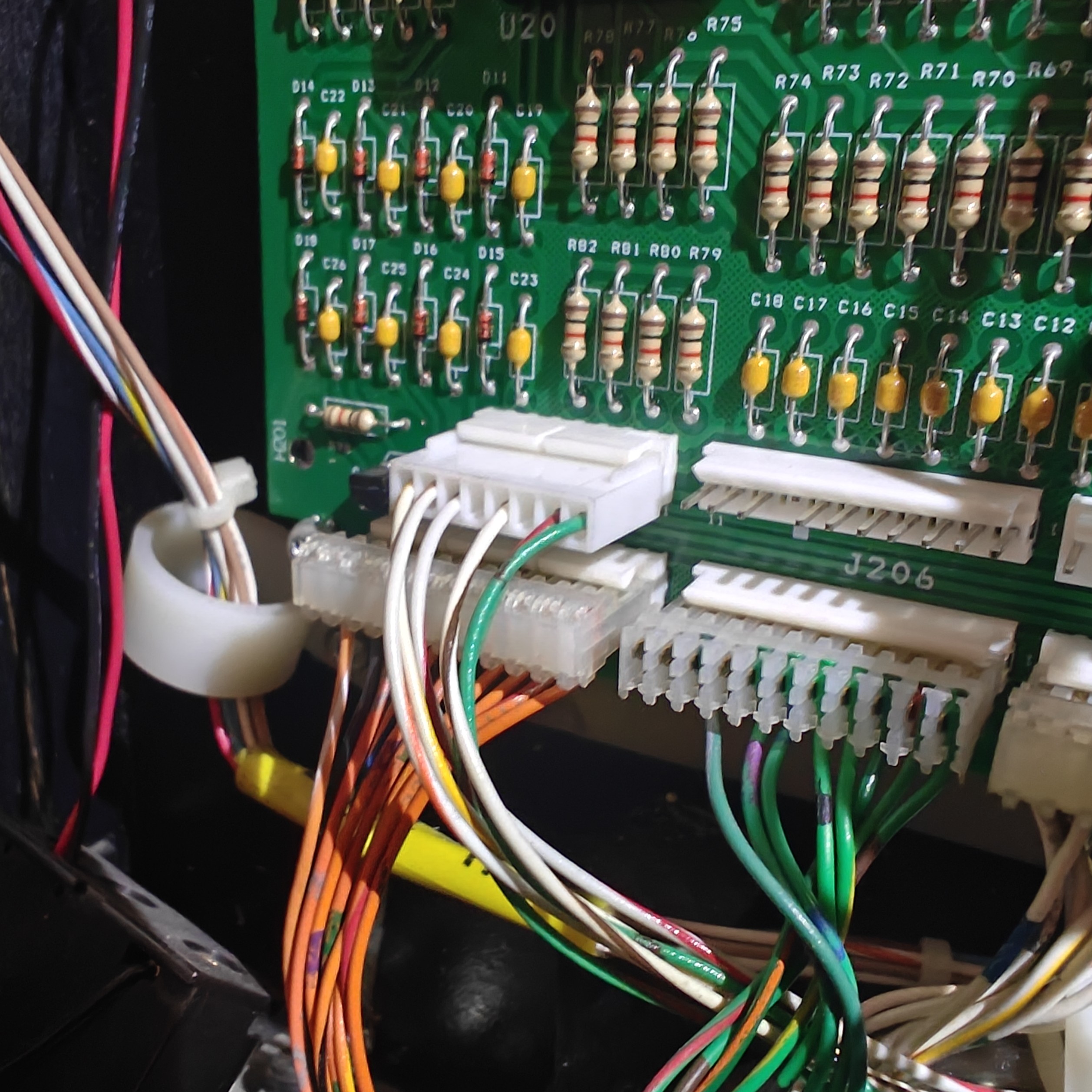
As for the flashers, testing for continuity at the fuse revealed no dead shorts, so I re-fused the circuit and enabled flasher power, to see that one string of flashers was stuck powered on. With 2 flashers stuck on, that would definitely cause the flashers to burn out or a fuse to pop after long enough. Since the board was a Rottendog aftermarket that uses IRL520N MOSFETs, it’s fairly common that they can fail due to the high inrush currents on coils and lamps; they should have used IRL540Ns instead that can handle the high inrush current. After testing the board, Q32 was found to be shorted and needed to be replaced (this time with an IRL540N).
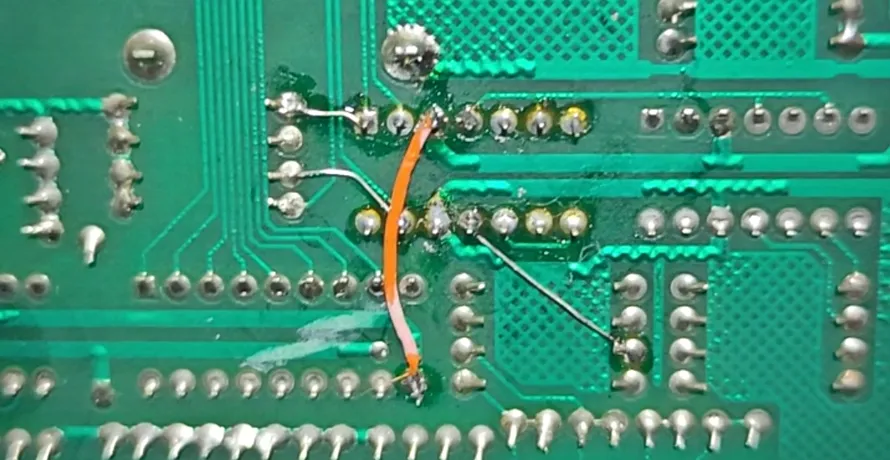
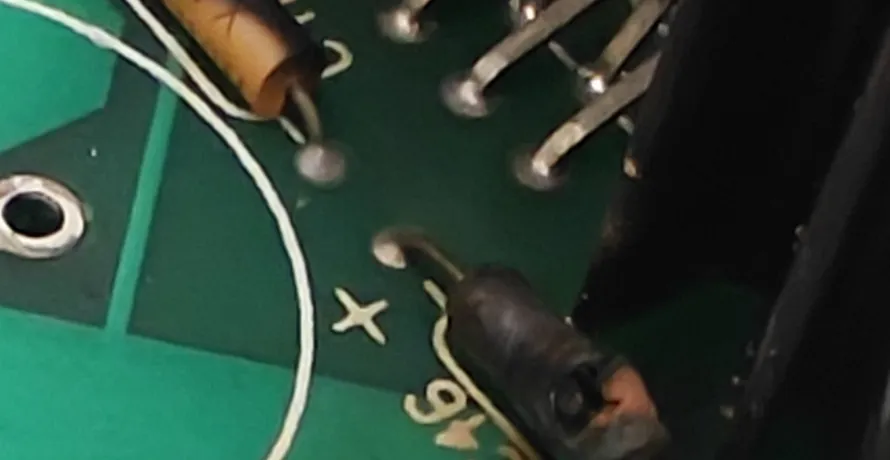
An unrelated issue pertaining to the lamp matrix was also resolved; a prior repair wired the + side of the lamp wire to the wrong side of a lamp socket’s diode, causing really bad ghosting on the LEDs in that row and column.